Verdant News | Verdant model
What an investor actually buys in the Verdant plantation: trees, infrastructure or a complete operating model?
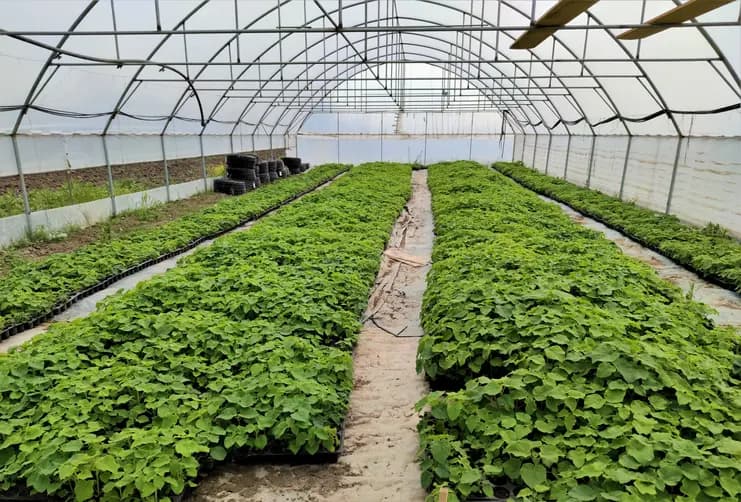
One of the most important clarifications for a new investor is this: in the Verdant model, we are not talking only about buying a number of trees. We are talking about joining as a capital partner in a system that includes planting, water, irrigation, maintenance, management and a route toward timber monetization.
Basic clarification
The investor does not buy only seedlings or a tree count
In many projects on the market, the discussion stops at the number of trees. In reality, that is only the entry point. For a serious investor, the useful question is what system stands behind those trees and who is responsible for the execution years that follow.
At Verdant, the investor joins as a capital partner in a managed model. That means trees are only one component. The rest of the value comes from infrastructure, operations and a monetization pathway.
Infrastructure
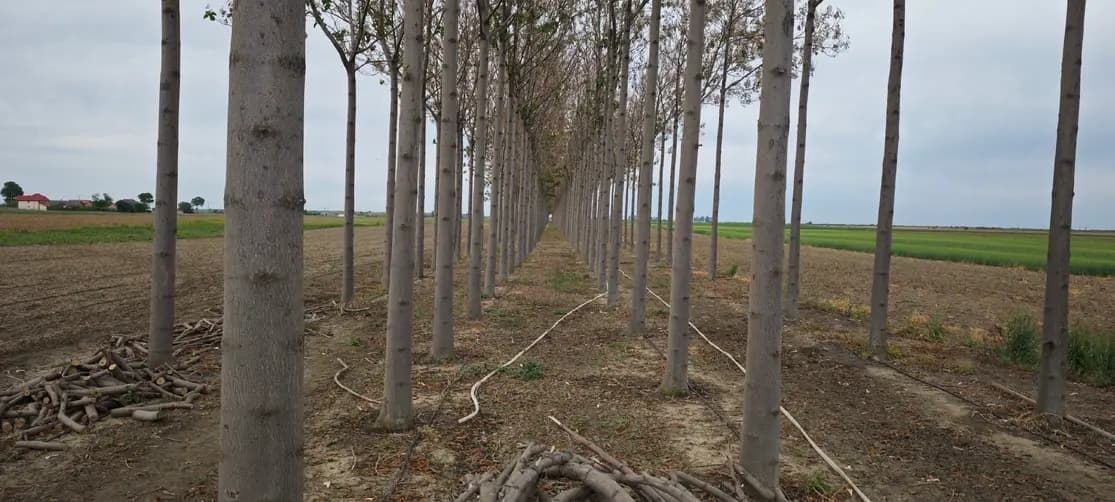
Water, irrigation and growth environment are part of the real investment package
An investor should not judge the project only by the entry price, but by its ability to function well over time. Water is essential here. Without it, the promise of accelerated growth weakens very quickly.
That is why we encourage partners to implement irrigation from the start. It is not only a technical cost. It is a structural component of the investment. It affects biological performance, plantation stability and the probability of producing commercially valuable timber.
Complete operations
Annual maintenance and management are part of what the investor buys
In the Verdant model, the investor also buys operational predictability: monitoring, field work, pruning, cleaning, maintenance and yearly coordination. Without that layer, even a plantation that starts well can lose quality and economic potential.
This is one of the most important distinctions from simplified approaches. The investor does not receive only a starting point, but a continuous operating structure that keeps the project moving in the right direction.
- maintenance and tree-shaping work;
- plantation monitoring and field response;
- infrastructure maintenance;
- preparation of the plantation for monetization stages.
Verdant conclusion
Why the complete model changes the investment profile
Once the investor understands that they are not buying only trees, but a full model, the perspective changes. The conversation is no longer about a simple biological promise, but about a project managed from planting to monetization.
That is the Verdant philosophy: the partner brings capital, and we take responsibility for execution. This clear division of roles makes the investment easier to evaluate and much stronger operationally.

Social media
Verdant on Instagram and YouTube
Instagram
View profileVerdant Instagram gallery
A curated stream of our latest visuals from Instagram activity.
YouTube
View channel