Article map
Verdant News | Investment model
How the Verdant plantation investment works: from buying trees to timber monetization
Many investors are interested in Paulownia but remain stuck on the same practical question: what happens after I enter the project? The Verdant model is designed to make this type of investment clearer, more trackable and easier to assess as a professionally operated real asset.

Next step
Want a concrete Verdant proposal for products or investment?
We can discuss your budget, operating model and product or plantation objectives, then come back with a clear next-step proposal.
How the model works
Four ideas that explain the Verdant investment logic
Phased entry
The investor can start in multiples of trees instead of being forced into a very large initial surface.
Managed operation
The model includes the agricultural and technical work required to keep the plantation performing properly.
Monitoring and clarity
The investment should be followed as a real project with annual costs, milestones and operating objectives.
Monetization through timber value
The goal is not just tree growth, but the creation of commercially useful timber volume.
Verdant model
What a turnkey Verdant plantation investment means
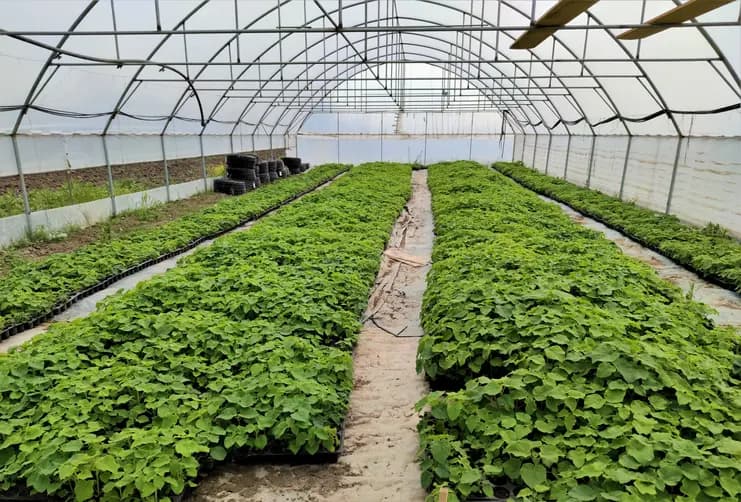
Instead of starting alone from zero, the Verdant model builds on an existing operating framework: crop, water, irrigation, annual maintenance and a longer-term commercialization logic.
That structure matters. In agricultural and timber-linked assets, the real difference is execution. Investors are not just acquiring trees; they are entering a managed operating system.
Steps
The concrete investment steps
From an investor perspective, the process should stay simple and visible. The investment can be read through five practical steps.
- selecting the entry package or number of trees;
- agreeing the contractual framework and operating conditions;
- integrating the position into the plantation managed by Verdant;
- tracking annual work and crop development;
- preparing the timber monetization phase.
This sequence reduces the uncertainty typically found in plantation projects launched without infrastructure and without a dedicated operating team.
Annual operation
What Verdant manages every year
Investors need clarity about what is actually happening on the ground. That is where integrated execution creates real value: operational work is structured and repeated consistently.
- water access and irrigation system operation;
- fertilization and required technical interventions;
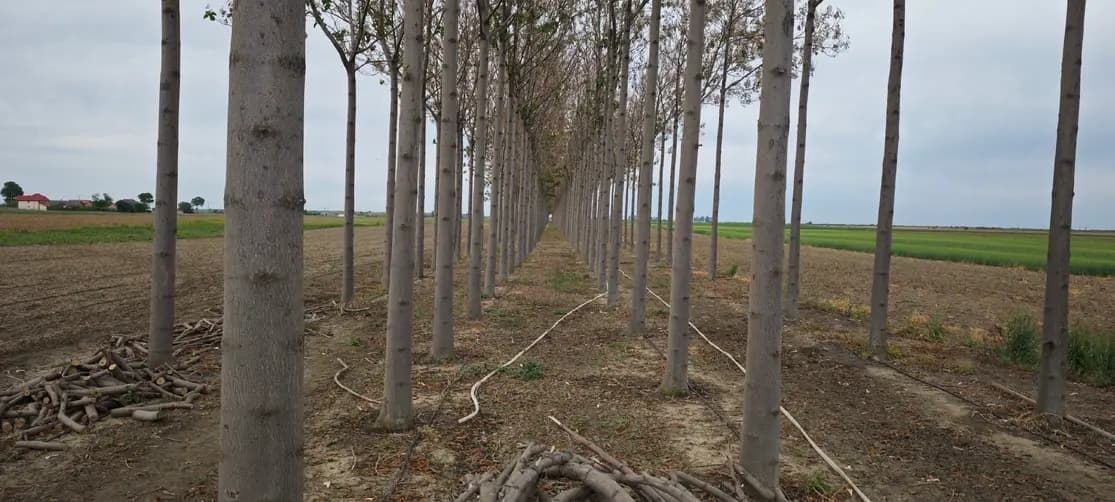
- tree pruning for better structural development;
- field cleaning and general plantation maintenance;
- crop monitoring and correction of operational issues.
Monitoring and monetization
How the investment moves from plantation to economic value
The investor enters a system
This is clearer than a scenario in which the investor has to organize land, water, operations and sales independently.
The crop is reviewed every year
That allows for corrections and a more realistic understanding of progress over time.
Value depends on commercial usability
The real objective is marketable timber and good positioning, not simply a plantation on paper.
For the investor, economic value does not appear in a single day or through a single transaction. It is built gradually through crop development, quality maintenance, risk control and preparation of timber that can be absorbed by the market.
Verdant’s integrated profile in Paulownia wood also matters here. The closer a project is to real processing and real timber demand, the more credible the monetization discussion becomes.
Conclusion
Why this model can be easier for investors to evaluate
For investors, clarity matters. The clearer the cost structure, annual work, operational roles and path to monetization, the easier it is to place the investment within a broader real-asset strategy.
That is the direction of the Verdant model: infrastructure, crop, management, operation and commercial perspective in one framework.
Investor FAQ
Frequently asked questions about the Verdant model
Does the investor have to manage field operations directly?
That is not the purpose of the model. Verdant is structured to reduce the direct operational burden on the investor.
Can investors enter only through large allocations?
No. The model is also built around gradual entry in multiples of trees, allowing the position to scale over time.
What matters most after entering the project?
Consistency of annual execution. Water, maintenance, technical work and crop tracking are what support the economic value of the investment.
When does monetization start?
Monetization follows the biological and commercial cycle of the plantation. It should be viewed as an outcome prepared through years of disciplined operation.
More from Verdant
Related articles that support the decision process

Paulownia investment in Romania: costs, estimated returns, steps and risks
Verdant investor guide on entry costs, return drivers and the practical risks behind a Paulownia plantation investment.
Read article
How Middle East shipping pressure can reshape timber trade across MENA and Europe
Verdant reviews how energy stress and shipping disruption can feed into timber logistics, quality mix, rerouting decisions and buyer behavior across MENA, Europe and Asia.
Read article
Timber market vs capital markets: what the 2026 data shows
We compare lumber price behavior (WPU08) with gold, palladium, platinum, zinc, coffee, aluminum and copper, plus Magnificent 7 volatility.
Read article
Social media
Verdant on Instagram and YouTube
Instagram
View profileVerdant Instagram gallery
A curated stream of our latest visuals from Instagram activity.
YouTube
View channel