Verdant News | Investments
Is Paulownia worth investing in during 2026? Advantages, risks and time horizon
In 2026, the right question is not only whether Paulownia can grow fast, but whether there is an operating model capable of turning that growth into a professionally managed investment. In the Verdant model, the investor joins as a capital partner while our team manages the plantation from planting to timber monetization, with strong emphasis on water, irrigation and yearly discipline.
Article map
What you will find in this article
Next step
Want a concrete Verdant proposal for products or investment?
We can discuss your budget, operating model and product or plantation objectives, then come back with a clear next-step proposal.
2026 decision
Why investors are looking at Paulownia now
At a time when part of the market is looking to diversify away from purely financial assets, agricultural and timber-based projects are receiving more attention. Paulownia enters that conversation because it combines biological growth, industrial usability and the ability to move into higher-value processed products.
What makes the investment relevant in 2026 is not just the species itself, but the execution model. Investors need clarity on cost structure, working infrastructure and an operator capable of taking the plantation all the way to monetization. Without that framework, the investment story remains incomplete.
Real advantages
What makes a well-managed Paulownia investment attractive
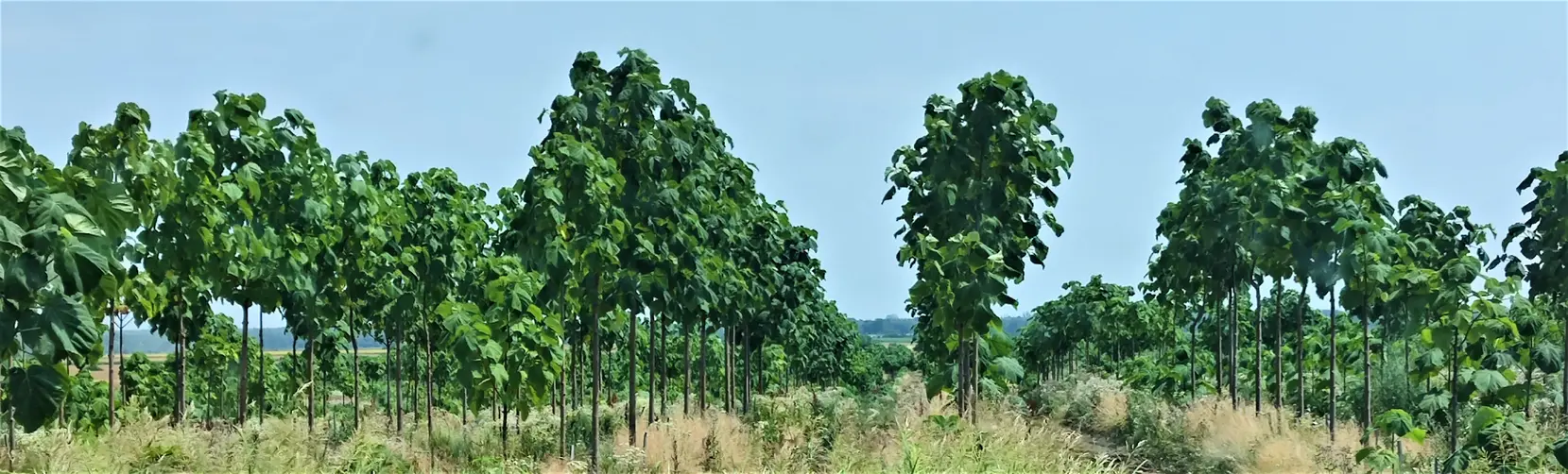
The first advantage is exposure to a real asset that can be physically monitored on the ground. The second is that Paulownia timber has multiple commercial uses, from panels and furniture to premium, higher-margin applications. The third is that a structured model can allow the investor to participate with capital without having to personally run the agricultural operations.
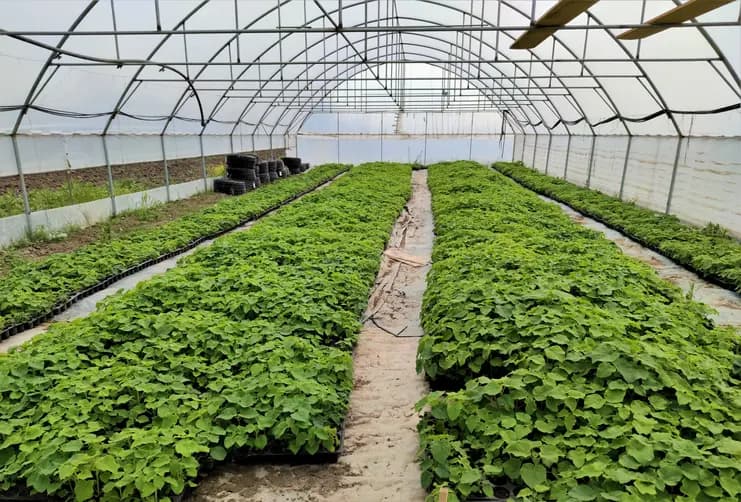
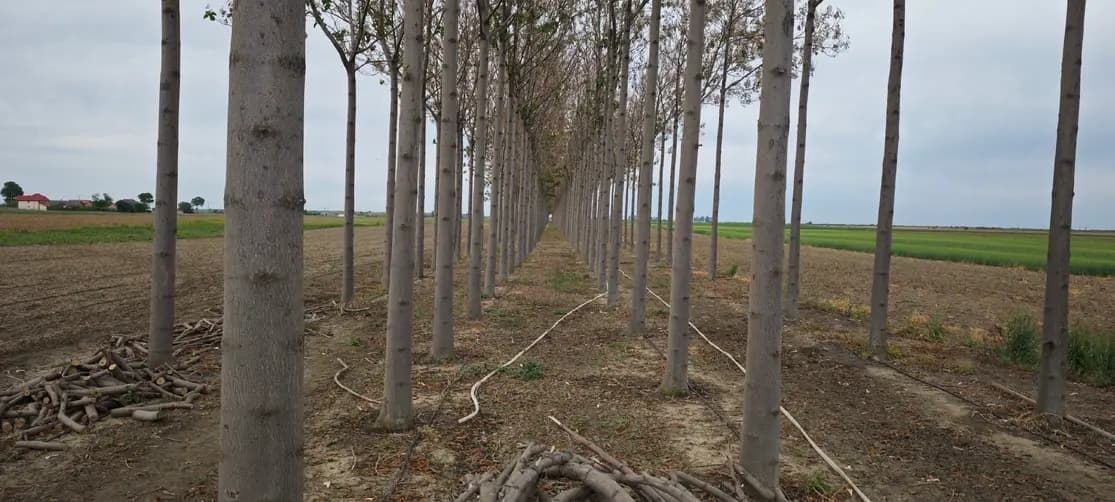
In the Verdant model, that is the practical distinction: the investor joins as a partner in the plantation while we manage infrastructure, yearly maintenance and preparation for timber monetization. For many investors, that operating logic is more important than simplified growth-speed narratives.
- diversification through a real asset with a different logic than listed markets;
- the ability to enter gradually depending on budget and objective;
- centralized management by a team that follows the plantation closely;
- potential integration into processing and sales, not only raw material output.
Risks
Where the main risks sit and how they should be viewed
Water and climate risk
Without sufficient water and irrigation designed in advance, growth rate and timber quality can deteriorate.
Operational risk
Planting without maintenance, pruning and recurring intervention does not create a competitive plantation.
Expectation risk
Investors who rely only on aggressive return promises often start from the wrong assumptions.
Commercial risk
Final value depends on timber quality and on how monetization is actually executed.
A healthy project does not claim risk disappears. The more honest approach is to explain how it can be reduced. At Verdant, the focus is on irrigation infrastructure, annual monitoring, disciplined plantation work and a model where the investor is not left alone with a complex agricultural asset.
Time horizon
Who this investment fits and who it does not
A Paulownia investment is especially relevant for investors seeking diversification in real assets, willing to accept time and operational structure. It is suitable for those who appreciate a model in which their capital is deployed into a professionally managed plantation.
It is less suitable for people looking for immediate liquidity, outcomes without infrastructure, or returns disconnected from field reality. Once the investor accepts that water, execution and monetization are the pillars of the project, the decision becomes far more grounded.

Social media
Verdant on Instagram and YouTube
Instagram
View profileVerdant Instagram gallery
A curated stream of our latest visuals from Instagram activity.
YouTube
View channel